
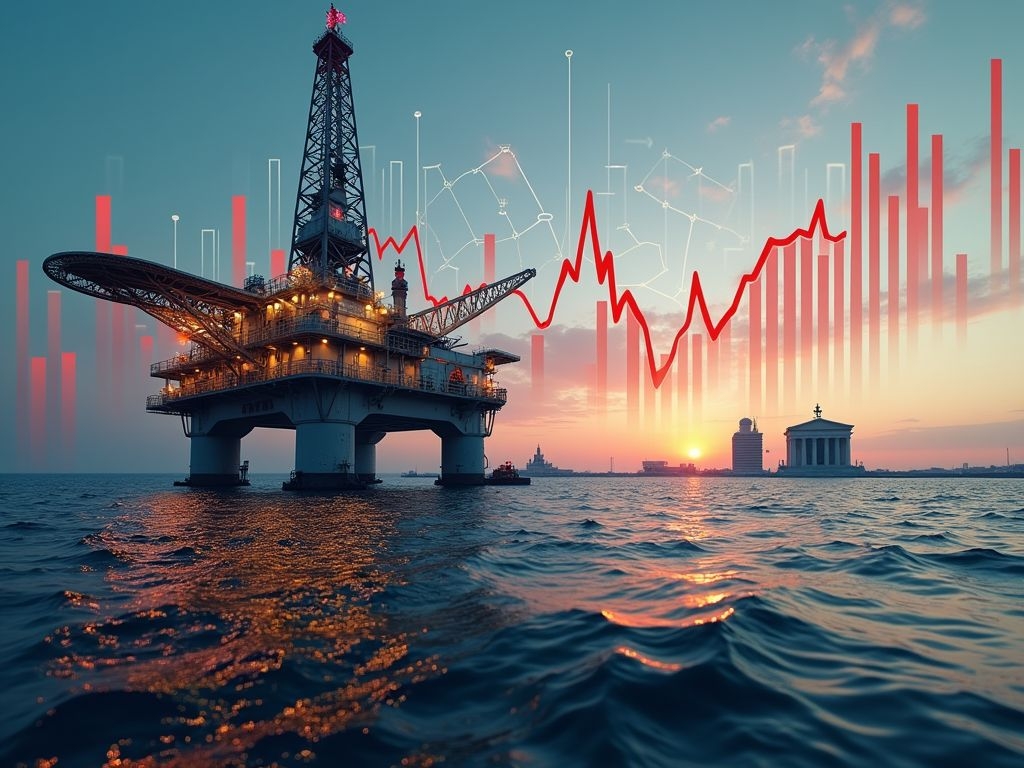
Energy inflation whiplash
A single geopolitical headline can move markets faster than months of economic forecasts. That’s exactly what happened when reports of a possible US-Iran agreement sent oil prices tumbling almost overnight. For many investors, the sudden shift raised an uncomfortable question: are markets finally cooling down, or are we walking into another round of uncertainty?
If you’ve been feeling confused about rising prices, stubborn bills, and mixed market signals, you’re not alone. The Energy Inflation Whiplash many households and investors are experiencing in 2026 feels exhausting. One week, energy costs surge. The next, oil slides. Meanwhile, stocks tied to artificial intelligence continue climbing. It’s easy to feel unsure when money decisions get complicated. The good news? Understanding what’s actually happening makes smarter decisions far easier.
Why the Energy Story Changed So Quickly
For much of 2026, global markets were trapped in uncertainty surrounding shipping routes and oil supply. The Strait of Hormuz became one of the most closely watched pressure points in the global economy, and even small disruptions sent prices higher.
That uncertainty helped fuel Sticky Inflation, a term used when prices stay stubbornly high even after central banks attempt to cool the economy. Fuel costs filtered into everything from transportation to groceries and manufacturing.
Now, the conversation has shifted.
The potential Strait of Hormuz Resolution has started easing fears of prolonged supply disruptions. Oil prices dropping by nearly 7% in a day signaled that markets believe the pressure could soften.
But here’s the thing: lower oil doesn’t instantly mean lower living costs. Inflation behaves more like a slow-moving freight train than a sports car. Energy prices may fall quickly, but businesses often take time to pass those savings to consumers.
Understanding the Energy Inflation Whiplash
The phrase Energy Inflation Whiplash perfectly captures what investors are facing right now. Prices spike, markets react, sentiment changes, and portfolios suddenly move in opposite directions.
In the US, markets have remained surprisingly resilient. A massive AI Infrastructure Surge worth hundreds of billions of dollars has helped cushion broader economic fears. Companies building data centers, chip systems, and electricity networks continue attracting investment.
Europe and the UK tell a different story.
High utility costs and slower energy transitions have kept businesses under pressure. While America sees optimism around tech and productivity, parts of Europe remain stuck battling higher industrial costs and slower growth. This disconnect matters because not all markets respond to inflation in the same way.
The AI Boom Is Changing the Equation
While many people focused on oil tankers and geopolitics, something bigger quietly accelerated in the background. Artificial intelligence infrastructure spending exploded. The AI Infrastructure Surge is reshaping where money flows. Massive demand for computing power means greater investment in energy systems, nuclear partnerships, battery storage, and grid modernization.
Electricity, frankly, has become the new oil.
This shift explains why some sectors continue climbing despite inflation worries. Investors increasingly see energy security and technology infrastructure as long-term winners rather than temporary trends.
The Energy Volatility 2026 story is no longer just about crude prices. It’s becoming a battle over who can generate stable power for an increasingly digital economy.
What Smart Investors Are Watching
Navigating Energy Inflation Whiplash doesn’t mean predicting every market move. It means focusing on structural trends instead of emotional reactions.
Here are a few smart moves worth considering:
- Look at companies benefiting from energy modernization and grid expansion
- Avoid panic-buying sectors that already surged on fear-driven headlines
- Watch how inflation numbers react over the next two to three months
- Pay attention to the US-Iran Peace Deal Impact on energy-sensitive industries
- Prioritize businesses with strong pricing power and stable operating costs
Markets often reward patience more than perfect timing.

Strait of Hormuz Resolution
Why “Sticky Inflation” Still Matters
Even if oil cools, Sticky Inflation could remain a challenge. Housing, wages, insurance, and healthcare costs rarely move down as quickly as fuel. That means central banks may still hesitate before aggressively cutting interest rates.
For investors, this creates a strange middle ground.
Growth sectors like technology may benefit if inflation eases. But defensive industries such as utilities and infrastructure still hold value because they offer stability during uncertain transitions.
The key is balance. Going “all in” on one market narrative rarely ends well.
The Bigger Shift Happening in 2026
The real story behind Energy Inflation Whiplash is bigger than oil. We’re watching a structural transition unfold. Economies are moving away from fragile supply chains and toward localized energy resilience, AI-supported grids, and more predictable domestic production.
That doesn’t mean volatility disappears. It won’t. But it does mean smart investors should stop thinking only about short-term headlines and start paying attention to long-term positioning.
The market may still swing wildly from geopolitical updates, but underneath the noise, the future is increasingly being built around electricity, digital infrastructure, and energy independence. The Energy Inflation Whiplash of 2026 may feel uncomfortable right now, but for investors willing to stay patient and think structurally, it may also reveal where the next decade of opportunity quietly begins.