

Energy Price Cap Rise
The Energy Price Cap Rise in July 2026 means many UK households will need to rethink their utility budget before summer ends. The new cap pushes a typical annual dual-fuel bill from £1,641 to £1,862, which is a sharp jump at a time when many families hoped inflation pressure was finally easing.
That is frustrating. Energy bills are one of those expenses that feel hard to control. You can cut back on takeaways or delay a purchase, but heating, cooking, showers, laundry, and basic electricity are not optional. So the goal is not panic. The goal is planning.
What the Price Cap Actually Means
The Ofgem energy price cap July 2026 update does not mean every household will pay exactly £1,862. That headline number is based on typical usage for a dual-fuel household paying by Direct Debit.
Your real bill still depends on how much gas and electricity you use. The price cap limits what suppliers can charge per unit of energy and for daily standing charges on default tariffs. A standing charge is the fixed daily cost you pay for being connected to the energy network, even before using any power.
In simple terms, the cap controls the rates, not your total usage. A high-usage household can still pay much more than the headline figure. This is why the Energy Price Cap Rise matters even during summer. The unit rates going up now can shape your monthly payments before winter demand returns.
Why This Energy Price Cap Rise Feels Different
This increase is not only about local household costs. It connects directly to wholesale gas market volatility. Wholesale prices are the prices suppliers pay before selling energy to homes. When global gas prices rise, suppliers face higher costs, and those costs eventually feed into household bills.
The July increase is especially painful because gas has jumped more sharply than electricity. That matters because many homes still rely on gas for heating and hot water. Even in warmer months, gas use does not disappear completely.
This is how household utility inflation creeps into daily life. It may not feel dramatic on day one, but the pressure builds through higher Direct Debits, tighter grocery budgets, and less room for savings.
Fixed-Rate vs Standard Variable Tariff
The big decision now is whether to stay on a standard variable tariff or look for a fixed-rate deal. A standard variable tariff moves with the price cap. If the cap rises, your rates usually rise. If the cap falls later, you may benefit from the drop. A fixed tariff works differently. You lock in a rate for a set period, often 12 months. That gives more certainty, but it is not always cheaper.
This fixed-rate vs. standard variable tariff choice comes down to risk. If your monthly budget is already tight, certainty may matter more than chasing the lowest possible future rate.
But don’t just look at the estimated monthly payment. Compare the unit rates, standing charges, exit fees, and contract length. Some deals look cheaper at first glance but do not save much after the details are checked.
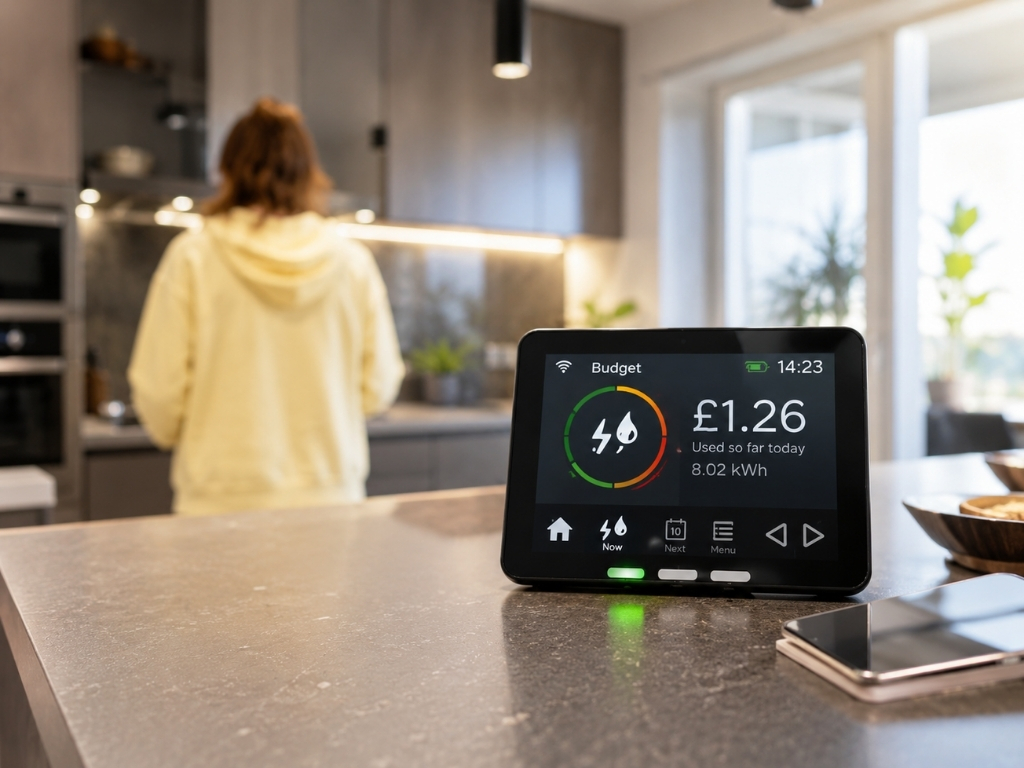
Ofgem energy price cap July 2026
Smart Moves Before July Bills Hit
Reducing domestic energy bills does not mean sitting in the dark or turning daily life upside down. It means removing waste before higher rates amplify it.
A few practical moves can help:
- Check whether you are on a default standard variable tariff.
- Compare fixed deals using unit rates, not only monthly estimates.
- Switch to monthly Direct Debit if it reduces your overall cost.
- Submit meter readings before the new cap starts.
- Lower boiler flow temperature if your system allows it.
- Seal obvious draughts before autumn.
- Review old appliances that quietly use too much power.
These are not glamorous changes. But they work because they attack the baseline.
Budgeting for Summer Energy Price Hikes
Budgeting for summer energy price hikes can feel odd because people usually worry about energy bills in winter. But waiting until cold weather arrives is a mistake. The July increase gives you time to prepare.
Start by checking your current monthly payment against your actual usage. If your supplier account shows you are building debt, do not ignore it. If you have a credit balance, understand whether it is enough to absorb higher rates. Then create a small utility buffer if possible. Even £20 or £30 a month set aside now can soften the winter squeeze. This is not about fear. It is about avoiding surprise.
When to Ask for Support
If the Energy Price Cap Rise makes your bills unmanageable, contact your supplier early. Many households wait until arrears become serious, and that makes the situation harder.
Suppliers may offer payment plans, hardship support, or temporary adjustments. Also check whether your household qualifies for grants, local support, or energy efficiency schemes. The earlier you ask, the more options you usually have.
Conclusion
The Energy Price Cap Rise in July 2026 is another reminder that household budgets can be affected by forces far beyond the home. Global gas prices, supplier costs, tariff structures, and regulatory changes all show up eventually in monthly bills. But that does not mean households are powerless. By checking your tariff, comparing fixed-rate options carefully, submitting meter readings, reducing waste, and building a small energy buffer before winter, you can make the next wave of household utility inflation easier to manage. The smartest move is to act before the bill lands, not after it becomes a problem.