
Hybrid banking trends
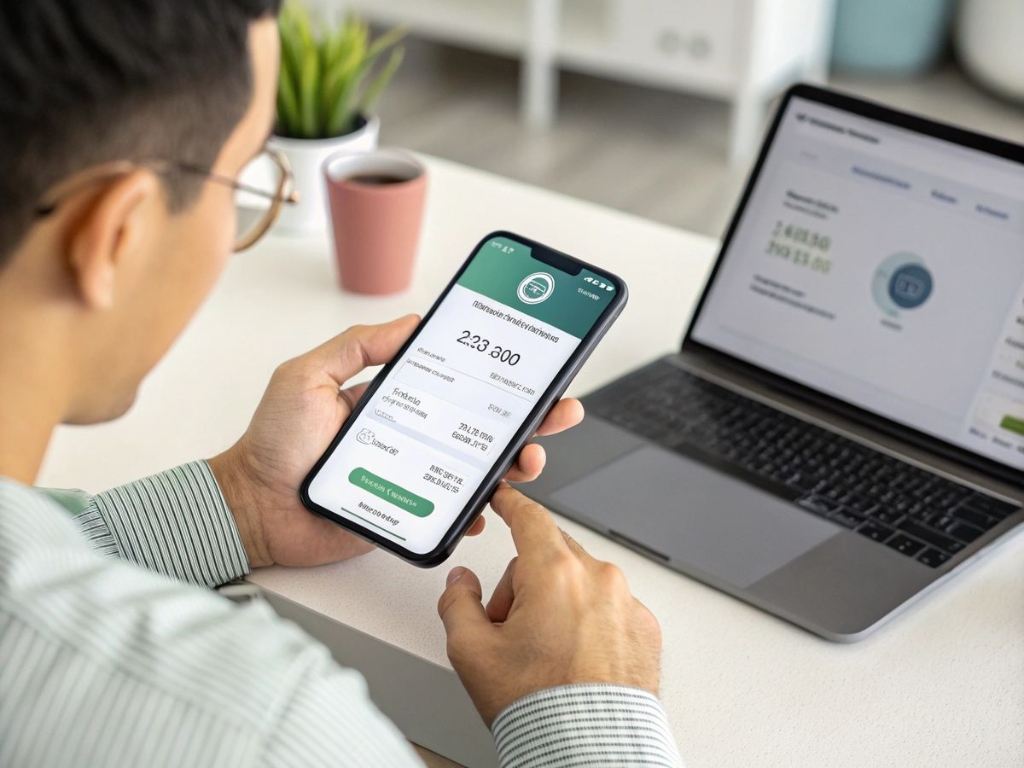
Hybrid banking trends are gaining ground because consumers no longer want to choose between a slick mobile app and real human help. They want both. A fast digital banking experience for daily tasks and branch access when money problems get serious.
It’s easy to understand why. Paying bills, checking balances, freezing a card, or moving money should take seconds. But when fraud hits, a mortgage gets complicated, or an account suddenly locks, a chatbot doesn’t always feel like enough. Money is emotional. Especially when something goes wrong.
Why Hybrid banking trends are rising
Hybrid banking trends are rising because the single-app bank model has hit a trust wall. Digital-only banks made everyday banking faster, lighter, and cheaper in many ways. That part worked.
But speed is not the same as reassurance. A banking app can handle simple activity well. It can show balances, send alerts, split expenses, and process quick transfers. Yet high-stress financial moments often need a real person who can explain, verify, and fix things.
That gap has changed consumer banking habits. People still like digital tools, but they don’t want to depend only on them. They want customer service that feels reachable, not buried behind automated menus. A practical way to see it: consumers use digital banking apps for convenience, but they still value physical support when the financial risk feels personal.
The problem with app-only banking
The biggest weakness of app-only banking shows up during disruption. A frozen account. A suspicious charge. A failed transfer. A denied loan application. Suddenly, the clean interface feels less helpful.
This is where neobank security becomes more than a technology feature. It becomes a trust issue. Many customers don’t fully understand why an algorithm flagged them. They just know they cannot access their money. If the only support route is an AI chat window or a delayed ticket response, frustration builds quickly.
And honestly, that frustration is valid. Financial services are not like ordering food or booking a ride. The stakes are higher. A delayed answer can affect rent, payroll, travel, or a business payment. That is why consumers are asking for more than digital speed. They want accountability.
What the hybrid branch model changes
The hybrid branch model does not mean going back to old-school banking with long lines, paper slips, and oversized lobbies. Nobody is asking for that. Modern hybrid branches work more like compact financial hubs. They keep routine work inside the app while using physical spaces for higher-value conversations and urgent support. That makes the model more efficient.
Basic tasks stay digital: card controls, balance checks, money transfers, statement downloads, and payment alerts. Complex tasks move to human help: mortgages, small business lending, fraud resolution, retirement planning, and account recovery. Hybrid banking trends work because they match the task to the channel. Fast things stay fast. Sensitive things get a person.
Smart Moves for consumers choosing a bank
- Check whether the bank offers both app support and branch access.
- Test customer service before opening a major account.
- Review fraud support options, not just app features.
- Look for clear escalation routes when digital support fails.
- Keep emergency savings in an account you can access reliably.
- Use digital tools for daily tracking, but keep human support available.
- Avoid choosing a bank only because the app looks modern.
Branch access gives emotional security
Branch access still matters because money decisions often come with stress. A mortgage is not just paperwork. It affects where someone lives. A fraud case is not just a transaction. It can feel like a threat to stability.
That is where physical banking creates emotional capital.
A nearby branch, even a smaller micro-branch, gives customers a place to go when the app cannot solve the issue. Sitting across from a person can calm the situation and speed up resolution.
This does not make digital banking less important. It makes it more complete. Retail banking is moving toward a model where the app acts as the daily command center, while the branch becomes a safety net for complex moments. Lesson learned from consumer money behavior: people often say they want the cheapest and fastest option, but when their account is at risk, they value access, clarity, and human response more.

Retail banking
Why banks are changing their physical spaces
Large traditional branches can feel expensive and outdated. But smaller hybrid hubs make more sense. They reduce real estate costs while still giving customers a physical point of contact. These spaces do not need ten teller counters. They need secure kiosks, private consultation rooms, trained advisors, and systems that connect directly to the customer’s digital profile.
That last part matters.
A hybrid hub only works if the bank can continue the same conversation across app, phone, video, and branch. Customers should not have to explain the same issue five times. The system should remember the case, the documents, the timeline, and the next step. That is where modern financial services can actually feel modern.
The future is not app versus branch
Hybrid banking trends show that consumers are not rejecting digital banking apps. They are rejecting being trapped inside them. The winning model is both digital and human. Daily banking should stay quick, mobile, and low-friction. Bigger financial moments should offer advice, verification, and a real person when needed.
For consumers, the lesson is simple. Don’t pick a bank only for its app design or welcome offer. Look at how it handles stress. Ask what happens when fraud occurs, when a transfer fails, or when a loan decision needs explanation.
Hybrid banking trends are not about nostalgia for old branches. They are about smarter access. The best bank is the one that lets customers tap, call, video chat, or walk in depending on the moment. Because when money gets complicated, flexibility is not a luxury. It’s protection.