
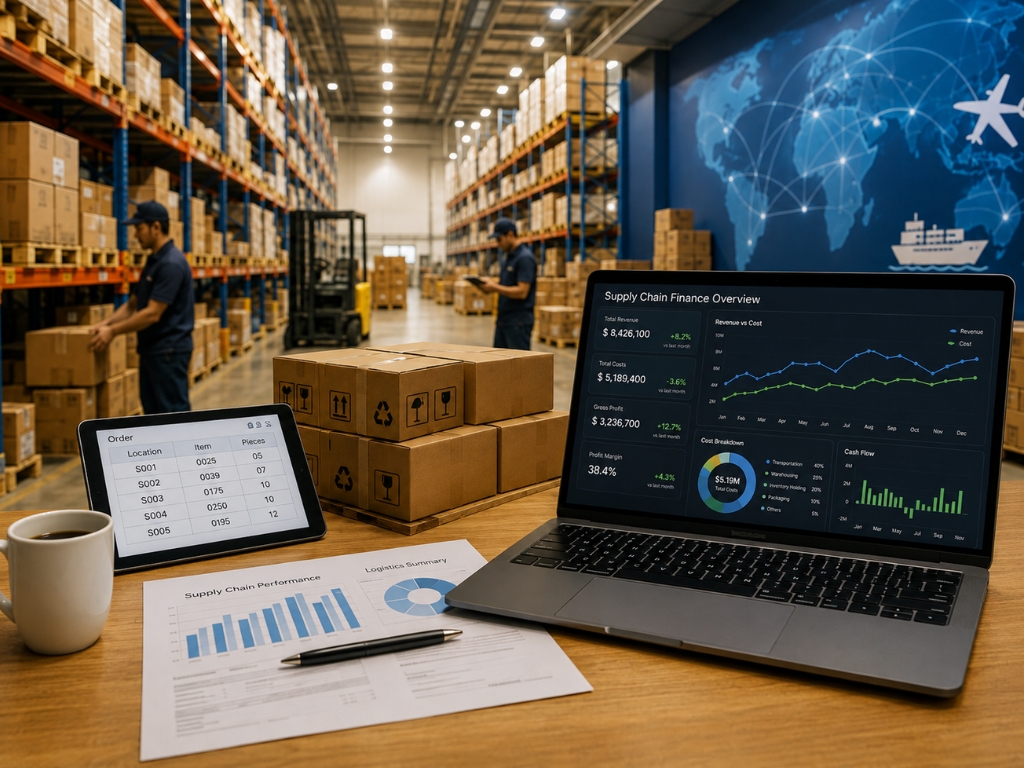
Supply chain routing
Disruption in Middle East shipping, freight volatility and growing transport costs have made supply chain routing a board-level issue for product firms. The logistics problem that appeared to be a logistics problem now affects cash flow, inventory planning, customer delivery and operational margins directly. The pressure is real.
Reuters reported that Chinese state shipping firms have been avoiding key Middle Eastern chokepoints, including the Strait of Hormuz and Bab al-Mandeb, since late July, using alternative loading points and ship-to-ship transfers to reduce risk exposure. Freight rates on the Oman-to-China route also rose sharply amid wartime premiums. For businesses that move physical goods, the lesson is clear: a single route strategy is no longer enough.
Why Supply Chain Routing Matters Now
Supply chain routing means deciding how goods move from factory to warehouse to customer. It includes ocean freight, air freight, rail, road, ports, regional hubs, and backup carriers.
When routes stay stable, businesses can optimize for cost.
When routes become unstable, they must optimize for survival first, then cost. Middle East maritime disruption has already forced oil and cargo operators to change shipping behavior. Saudi crude exports from the Red Sea have faced security risks, with tankers changing tracking behavior and more cargo being diverted through alternative channels, according to Reuters.
That kind of disruption can quickly create maritime freight surcharge spikes. For a physical product brand supply model, those spikes hurt. A company may have already priced products, planned promotions, and committed to retailer deadlines before transport costs jump.
The Real Cost of Freight Disruption
Freight costs do not sit quietly in the background. They show up in gross margin. Gross margin is the money justify after subtracting the direct cost of producing and delivering goods. When freight surcharges rise, that margin shrinks unless the business raises prices, cuts other costs, or absorbs the hit.
That is why supply chain cost mitigation matters. Oil markets are also adding uncertainty. Reuters reported that Brent crude rose to about $91 a barrel on August 19 as uncertainty continued around exports through the Strait of Hormuz.
Higher oil prices can affect bunker fuel, trucking, air cargo, packaging inputs, and last-mile costs. Even companies that do not import from the Middle East can still feel the cost ripple. Freight volatility is not only a shipping problem; it is a pricing, working-capital, and customer-service problem.
Supply Chain Routing for Split Freight
Supply chain routing works best when companies stop treating freight as one fixed lane.
A practical model is split freight. Move the majority of inventory through the lowest-cost reliable route, but reserve a smaller percentage for faster or safer alternatives. For example, one corporation might ship 80% of stock by ocean freight and 20% through air freight, rail or sea-air hubs. This protects high-profit SKUs, urgent purchases, launch inventories or crucial retail commitments. It costs more than the cheapest route.
But it can cost less than missing a sales window. This is where dynamic inventory routing strategy becomes useful. Instead of shipping everything the same way, businesses route products based on margin, urgency, customer promise, and stockout risk.
 Carrier contract negotiation
Carrier Contracts Need Tougher Terms
Carrier contract negotiation should not only focus on headline rates. In volatile periods, the fine print matters more. Emergency surcharge clauses, war-risk premiums, fuel adjustment formulas, port congestion charges, and peak-season fees can change the real cost of shipping fast.
Reuters reported in March that air freight rates surged as Middle East conflict blocked trade routes, with fuel surcharges and war-risk levies appearing in cargo pricing. That is why companies should negotiate surcharge caps, audit rights, service-level commitments, and alternative-lane options where possible. Finance teams should also ask for landed-cost visibility before approving new customer pricing.
Landed cost means the full cost of getting a product to its final destination, including freight, duties, taxes, insurance, handling, and storage. Ignoring landed cost can make a profitable order look better than it is.
Smart Moves for Supply Chain Cost Control
Use this checklist before the next freight shock hits:
- Rank SKUs by margin, sales velocity, and stockout risk.
- Keep backup carriers ready before disruption begins.
- Negotiate surcharge caps and clearer fuel adjustment terms.
- Use regional warehouses for fast-moving essential inventory.
- Shift urgent stock through split freight instead of all-air panic shipping.
- Track landed cost weekly during volatile shipping periods.
- Build 30 to 45 days of buffer stock near key demand zones.
- Review customer delivery promises before peak sales campaigns.
These steps do not remove risk. They reduce surprise.
Localized Buffer Inventory Can Protect Revenue
Localized buffer inventory management is the middle ground between risky just-in-time operations and expensive overstocking. Just-in-time means keeping inventory low and receiving stock close to when it is needed. It works when supply chains are predictable. It becomes dangerous when ships reroute, ports delay, or fuel costs jump. A localized buffer places core inventory closer to major customer markets. This helps brands continue shipping orders even if inbound freight slows by 10 to 20 days.
The goal is not to stock everything everywhere. The goal is to protect the products that matter most. For global supply chain logistics 2026, that may mean regional hubs, bonded warehouses, third-party logistics partners, and tighter forecasting between sales and finance teams.
How Finance Teams Should Read the Risk
Finance teams should treat supply chain routing as part of margin planning. A route change can affect cash conversion cycles, working capital, insurance costs, and inventory financing. The cash conversion cycle measures how long money stays tied up between paying suppliers and collecting from customers. Longer shipping routes extend that cycle.
That can create pressure even when sales look healthy. This is why product companies should run route stress tests. Model what happens if freight rises 15%, inventory arrives three weeks late, or one regional port becomes unusable. Then decide which SKUs deserve premium routing and which can wait.
Conclusion
Routing the supply chain is now a practical hedge against Middle East freight interruption, oil volatility and abrupt surcharge pressure. Depending on one shipping line may protect short-term freight costs but expose the business to the risk of missed delivery windows, stockouts and margin erosion. The most powerful strategy, however, is flexible: split freight, improved carrier terms, localized buffer inventory, and SKU-level routing options. While freight volatility may persist, early route choice planning enables enterprises to maintain cash flow, customer trust, and operating profitability with significantly less stress.