

APP fraud rules
APP fraud rules are changing how UK banks handle suspicious transfers, and customers may feel the impact through slower payments. A legitimate high-value transfer that once moved almost instantly can now face extra checks if the bank has reasonable grounds to suspect fraud.
That can feel frustrating. But the reason is clear: authorized push payment fraud has become expensive, fast-moving, and difficult to reverse. APP fraud happens when someone is tricked into sending money from their own account to a fraudster. The payment is “authorized” because the customer approved it, even though the reason for sending it was based on deception.
Why APP Fraud Rules Matter Now
The UK’s newer reimbursement regime has pushed banks to treat scam prevention more seriously before money leaves an account. The Payment Systems Regulator says APP fraud protections apply to UK bank transfers made through Faster Payments and CHAPS from one UK bank account to another, covering payments made on or after 7 October 2024. The protection is important because victims of scams can lose savings in minutes.
The PSR confirmed the maximum reimbursement limit for Faster Payments at £85,000, while banks and payment firms may choose to reimburse above that amount. The regulator also requires the cost of reimbursing APP scam victims to be split 50:50 between sending and receiving payment firms. That liability changes bank behavior. If a bank may have to repay part of a scam loss, it has a stronger incentive to stop suspicious payments before they go through.
APP Fraud Rules and the 72-Hour Hold
The APP fraud rules sit alongside a wider legal shift allowing banks more time to investigate suspicious transfers. Under UK payment law changes, payment service providers can delay an outbound payment when they have reasonable grounds to suspect fraud. The delay can extend up to 72 hours in relevant cases.
This is where UK bank payment delays may become more visible. A 72-hour payment hold does not mean every transfer will be frozen. Regular salary payments, usual bills, and routine transfers should usually continue normally. The delays are more likely when the transaction looks unusual compared with the customer’s normal behavior.
Examples include a sudden large payment to a new recipient, a transfer linked to a high-risk purchase, a payment to an investment or crypto platform, or repeated smaller payments that look structured to bypass checks. The important point: a payment delay is not always a sign the customer did something wrong. It may simply mean the bank wants to verify the transfer before releasing funds.
Why Banks Are Adding More Friction
Banking friction is inconvenient, but it exists because scam payments move fast. Once money reaches a fraudster’s account, it can be moved again within minutes. The new model puts pressure on both sides of the transaction. The sending bank must check whether the customer is being manipulated. The receiving bank must monitor accounts that may be used to collect stolen funds.
The PSR’s Q1 2026 dashboard said the value reimbursed under the regime reached £72.6 million, the highest since the policy began, with 89% of claim value reimbursed in that quarter. That gives banks a strong reason to tighten fraud controls. For customers, this means faster payments may not always feel instant when the risk score looks unusual.
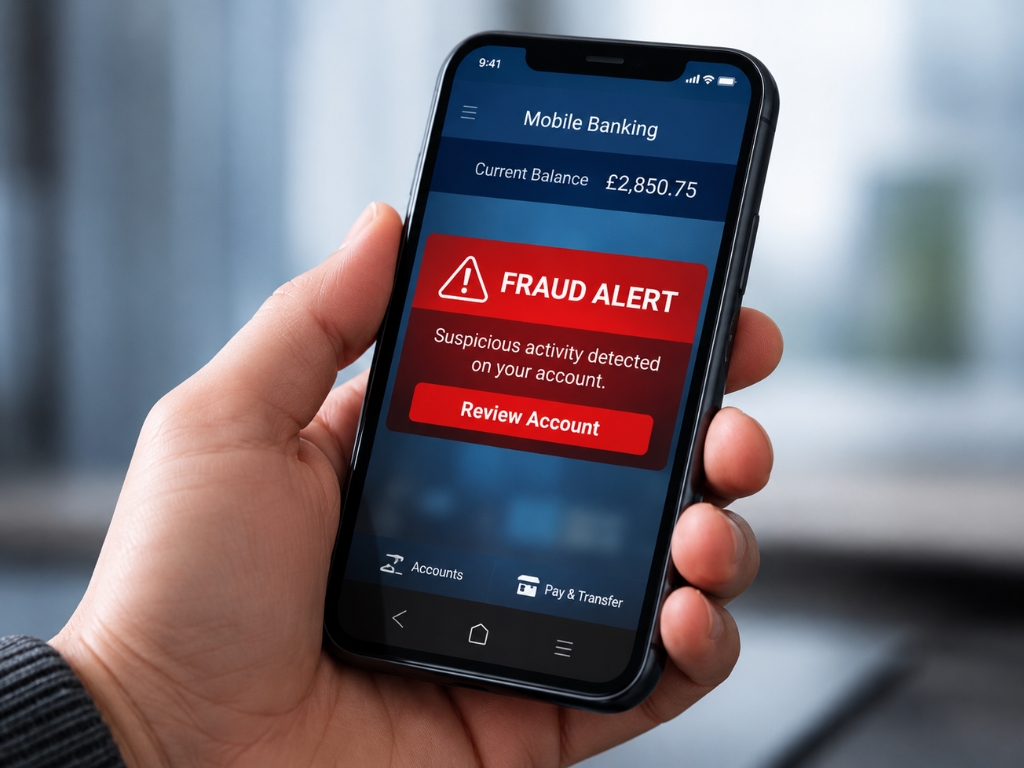 APP fraud reimbursement
Where Payment Delays Can Cause Problems
The APP fraud rules are designed to protect customers, but payment freezes can still create real stress. Property deposits can be time-sensitive. So can vehicle purchases, family support payments, school fees, contractor invoices, and emergency transfers. A delayed payment may cause confusion when the recipient expects funds the same day.
CHAPS payments are also covered by the APP scam reimbursement framework, which matters because CHAPS is often used for high-value transactions such as house purchases. This is why planning ahead matters for large transfers. Leaving a major payment until the final hour is riskier now, especially if the recipient is new or the transaction is larger than usual.
Smart Moves to Reduce Payment Delays
Use these steps before sending important transfers:
- Contact the bank before a large or unusual payment.
- Confirm the recipient name matches the account details exactly.
- Avoid splitting one large payment into several smaller transfers.
- Keep invoices, contracts, and purchase documents ready.
- Send a small test payment only if the recipient confirms it is acceptable.
- Avoid rushing transfers after phone calls, texts, or pressure tactics.
- Use secure banking channels, not links sent by strangers.
- Build extra time into property, vehicle, or investment payments.
These steps do not guarantee instant clearance, but they reduce avoidable flags.
What Customers Should Watch For
Fraud prevention rules also rely on customer caution. A bank may ask questions before releasing a payment. That can feel annoying, but honest answers help. Customers should be especially careful if someone says the payment is urgent, secret, or must be sent to a “safe account.” Those are common scam signals.
The FCA says APP fraud protections apply when money is transferred to someone else’s UK account through Faster Payments or CHAPS, but customers should still report fraud quickly and cooperate with their payment provider. If a payment is delayed, the best response is to check directly with the bank through the official app, number, or branch. Do not call back a number from a suspicious message.
Final Takeaway
APP fraud rules are making UK payments safer, but they may also make some transfers slower. The new reimbursement regime, £85,000 protection limit, 50:50 liability sharing, and wider fraud-check powers have changed how banks treat suspicious payments. For most routine transfers, nothing may feel different. For large, unusual, or high-risk payments, a 72-hour hold is now a real possibility. The practical answer is simple: plan major payments earlier, verify recipient details carefully, keep documents ready, and expect banks to ask more questions when a transfer does not match normal account behavior.