
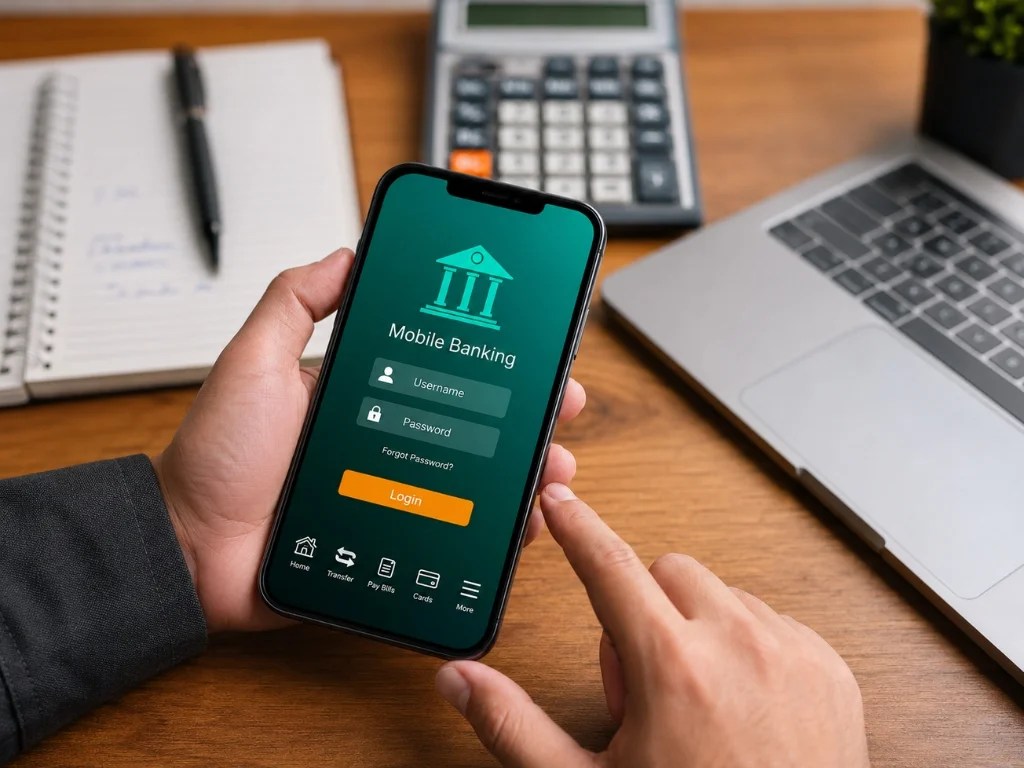
Digital estate security planning
Digital estate security planning has become a basic part of protecting modern family wealth because money no longer sits in one bank account, one file cabinet, or one investment folder. It lives across apps, wallets, portals, cloud drives, fintech tools, and old accounts many families barely remember.
That is the problem.
It’s easy to feel secure when the main bank account has strong passwords and alerts. But the bigger risk may be the forgotten budgeting app, the old trading account, or the payment platform still holding personal details. This scattered exposure is called identity sprawl.
Why digital estate security planning matters
Digital estate security planning matters because family wealth now has a digital footprint. Every online financial account creates another place where personal information, login credentials, bank links, or transaction history may sit.
Identity sprawl happens when this information spreads across too many platforms. Some accounts stay active and monitored. Others become ghost accounts. They still exist, but no one checks them.
That creates a quiet security gap. A family may carefully manage real estate, retirement accounts, insurance, and investments while ignoring old fintech accounts tied to the same email address or phone number. If those accounts get exposed, cybercriminals can use the data to attempt password attacks, impersonation, or account recovery fraud.
The risk is not only losing money from one app. The bigger danger is that one weak account can become a doorway into stronger financial systems.
Why old estate plans are not enough
Traditional estate planning is about physical assets, legal paperwork, bank accounts, property, and investment portfolios. That still counts. But it is not the whole story for today’s digital asset management.
A family member might know where the property papers are, but not where the crypto wallets, internet brokerages, cloud tax folders or payment apps are kept. This might create misunderstanding in cases of illness, death or emergency.
Without a digital estate security plan in place, heirs may have difficulty finding accounts, deleting dormant profiles, securing privacy of financial data or accessing critical information. Sometimes, significant goods simply remain concealed. Legacy data security is now part of family planning. Not optional.
The real danger of ghost accounts
Ghost accounts are old online accounts that still contain personal or financial information. They may include fintech apps, old banking portals, unused investment platforms, subscription accounts, payment wallets, and cloud storage services.
These accounts often have weaker passwords because they were created years ago. Some may not have multi-factor authentication. Others may use an old email address that is no longer monitored.
That is exactly why they matter.
Cybersecurity for wealth is not only about protecting the biggest account. It is about reducing the number of weak points across the full digital profile. Fewer exposed accounts means fewer places for data to leak.
Smart moves for reducing identity sprawl
- List every bank, investment, fintech, crypto, payment, and cloud account.
- Close accounts that are no longer needed.
- Request data deletion where the platform allows it.
- Use unique passwords for every financial login.
- Turn on app-based multi-factor authentication where possible.
- Store important credentials in an encrypted password manager.
- Keep emergency access instructions in a secure offline location.
- Review the digital account list at least twice a year.

financial data privacy
Build a cleaner digital asset map
Digital estate security planning starts with an inventory. That simply means creating a clear list of where financial and identity-linked accounts exist. This list should include primary bank accounts, credit cards, investment platforms, retirement portals, tax filing accounts, insurance logins, crypto wallets, payment apps, budgeting tools, and cloud folders that store legal or financial documents.
Do not store this list casually in an open note app. Use an encrypted vault or password manager. Then make sure a trusted person knows how to access it legally if needed. This person may be a spouse, adult child, executor, or appointed digital fiduciary.
A digital fiduciary is someone given authority to manage online accounts and digital records according to the estate plan. A practical safeguard: emergency access should be planned before a crisis, because account recovery becomes much harder when family members are already under stress.
Add digital access to the estate planning checklist
A modern estate planning checklist should include more than wills, nominees, trusts, and property records. It should also cover digital account access and account closure instructions. That does not mean sharing passwords casually. It means setting up a legal and secure process.
Families should decide who can access digital records, where recovery codes are stored, which accounts must be closed, which files must be preserved, and which assets require special handling.
This protects both wealth and privacy. Online account optimization also helps here. By closing unused accounts and consolidating active ones, families reduce clutter and make future administration easier.
Cyber resilience starts with simple discipline
Cyber resilience means being able to prevent, respond to, and recover from digital threats. For families, that starts with basic habits. Use strong passwords. Avoid repeating them. Update recovery emails and phone numbers. Remove old app permissions. Monitor financial alerts. Keep legal files backed up securely.
These steps may sound boring, but boring is good when it prevents financial chaos. Digital estate security planning is not about fear. It is about control.
Protect the family balance sheet
Identity sprawl grows quietly because every new financial app feels useful in the moment. Over time, those accounts turn into a messy digital trail. Some help. Some don’t. Some become risk.
The first step is cleaning the map.
Digital estate security planning provides families with a means to secure assets, limit exposure, aid heirs, and improve financial data privacy before problems arise. A solid family wealth plan today calls for both traditional paperwork and safe digital instructions. Because protecting wealth is no longer only about what a family owns. It’s also about who can access it, where the data sits and how securely it can be handed on.