
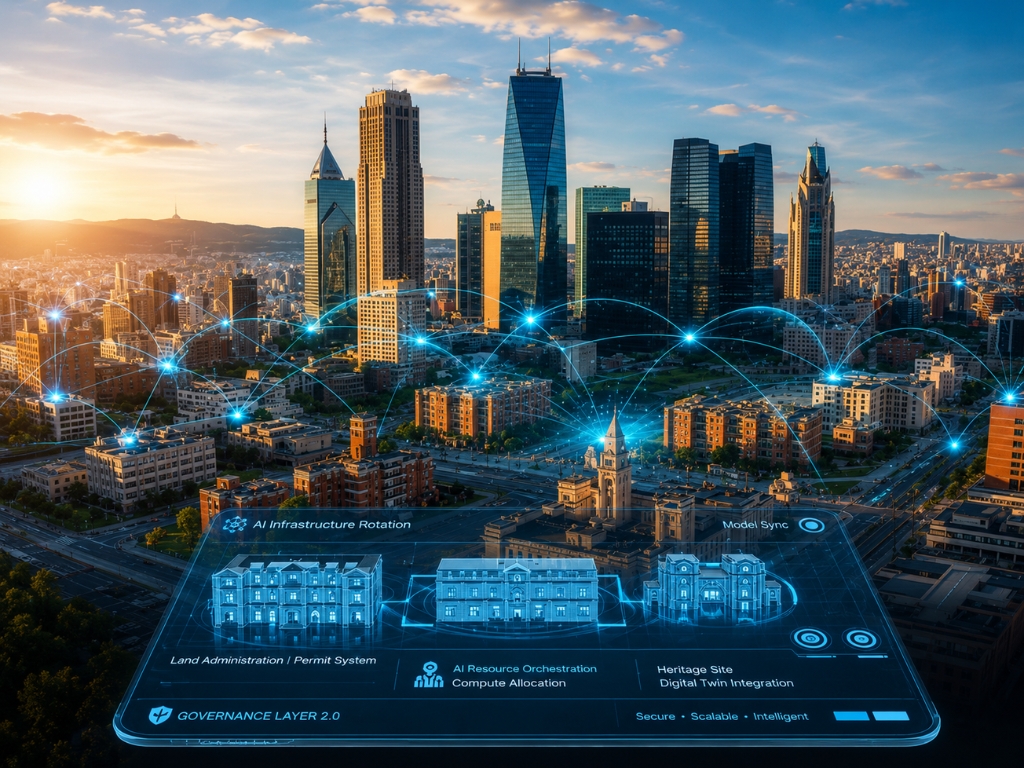
AI infrastructure rotation
AI infrastructure rotation is becoming the practical way investors are looking at the artificial intelligence boom without relying only on expensive software names. The idea is simple: instead of chasing every AI app, look at the physical systems those apps need to function.
Servers. Power. Cooling. Data centers. Grid equipment.
This is the “pick and shovel” play. During a gold rush, the most reliable money is often made by selling the tools. In AI, the tools are chips, racks, liquid cooling systems, electrical equipment, power contracts, and high-density data center real estate.
Why AI Infrastructure Rotation Matters Now
The first wave of AI investing focused heavily on software, models, and flashy consumer tools. That made sense early on. But investors are now asking a harder question: where is the revenue becoming more durable?
That’s where AI infrastructure rotation enters the picture. AI workloads need massive compute capacity, and compute needs space, power, and thermal control. JPMorgan estimates hyperscaler capital expenditure will reach $697 billion in 2026, making AI infrastructure financing one of the major capital deployment themes of the year.
That level of spending changes the investment map. It pushes attention toward AI infrastructure stocks, data center REITs, utilities, cooling suppliers, and electrical hardware companies.
The Pick-and-Shovel Logic
A pick-and-shovel investment does not depend on guessing which AI app wins the consumer market.
It focuses on what all competitors need. If multiple companies are building models, expanding cloud capacity, and deploying AI agents, they all need physical infrastructure. This includes data halls, transformers, switchgear, backup power, cooling loops, fiber connectivity, and energy supply.
That matters because software demand can be hard to forecast. User growth can slow. Pricing can compress. Enterprise adoption can take longer than expected. But artificial intelligence capex is already flowing into physical buildout. The question is not only “which model wins?” It is also “who supplies the backbone?”
AI Infrastructure Rotation Into Power
AI infrastructure rotation is also a power story.
Data centers are electricity-heavy assets. AI training and inference workloads use more energy and need more efficient cooling than traditional IT infrastructure, making electricity access a key bottleneck for growth, according to S&P Global’s data center infrastructure outlook. This is why AI energy demand is changing how investors view utility stocks in 2026.
Utilities used to be seen mostly as defensive income plays. Now, some are being evaluated as infrastructure growth plays because data center operators need long-term power connections. S&P Global Market Intelligence forecasts about $1.3 trillion of aggregate capital expenditure for US energy utilities between 2026 and 2030, driven partly by data centers supporting AI, digital services, and cloud infrastructure.
That does not make every utility a winner. Location matters. Grid capacity matters. Regulatory approval matters.
Data Centers Are Turning Industrial
Data center REITs sit at the center of this shift. A REIT, or real estate investment trust, owns income-producing real estate. In this case, the “real estate” is not a regular office building. It is specialized infrastructure with power access, cooling systems, security, connectivity, and tenants that often sign long-term contracts.
That can create recurring income. But it also brings risk. AI-driven data center expansion behaves more like industrial infrastructure than traditional tech spending because it is capital-intensive, long-dated, and dependent on external systems such as power grids, permits, and financing. So investors need discipline. A good building is not enough. The site needs power. The operator needs customers. The financing must make sense.
Cooling Is No Longer a Side Issue
Liquid cooling technology has moved from niche to necessary. High-density AI racks create heat that standard air cooling often cannot handle efficiently. As servers become more powerful, thermal management becomes a core part of performance and uptime.
Reuters recently reported rising interest in microgrids and onsite power systems as data center operators look for alternatives to constrained utility grids, while also noting previous acquisition activity around liquid-cooling technology for AI applications.
That is a signal. Cooling is not just an engineering detail. It is part of the investment chain. Companies supplying cooling equipment, power distribution, and energy management may benefit as hyperscalers and data center operators retrofit older facilities and build new ones.
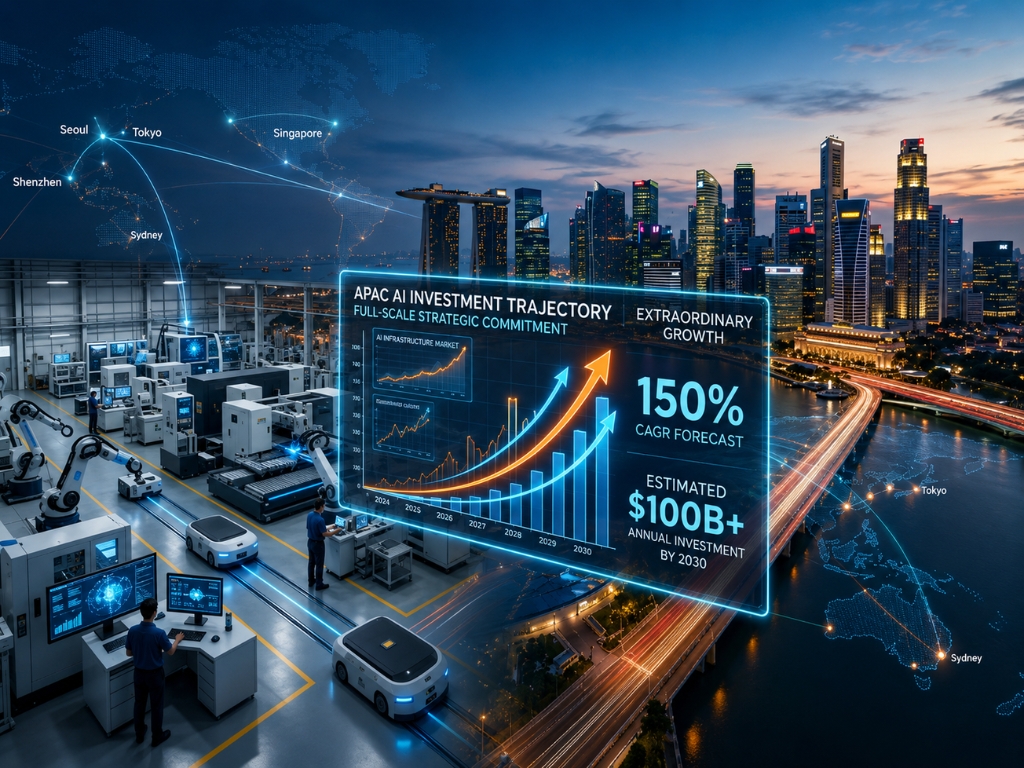 AI infrastructure stocks
Smart Moves for Investors
Use these points before shifting money into the theme:
- Check whether revenue comes from real orders, not only AI branding.
- Compare valuation with actual cash flow growth.
- Look for power access and grid connection advantages.
- Study customer concentration risk in data center REITs.
- Avoid overloading one sector just because the theme is hot.
- Watch debt levels, especially in capital-heavy businesses.
- Use gradual buying instead of chasing sudden rallies.
- Keep software and infrastructure exposure balanced.
A theme can be strong and still overpriced.
Sector Rotation Strategy Without Chasing Hype
A sector rotation strategy means moving capital from one market area to another as earnings, valuation, and economic conditions change. In this case, investors may trim overextended AI software exposure and add selective infrastructure exposure. That can include tech hardware investing, data center REITs, utility stocks, electrical equipment suppliers, and cooling specialists.
But the word “selective” matters.
Not every company touching AI infrastructure will create shareholder value. Some may win orders but struggle with margins. Others may face supply-chain delays, permitting issues, or high debt costs. The safest approach is not to buy every AI-adjacent stock. It is to identify where demand, pricing power, balance sheet strength, and execution quality meet.
The Risks Behind the Boom
AI infrastructure is not risk-free.
Texas has already shown how power-demand forecasts can become difficult to verify. Reuters reported that data center and large energy-user requests to connect to the Texas grid rose from about 48 gigawatts in 2023 to more than 474 gigawatts, creating concern over “ghost” demand and planning uncertainty. That is important.
If too much capacity gets built too quickly, some assets may disappoint. If energy constraints delay projects, suppliers may see revenue pushed out. If AI monetization slows, capex plans could tighten. Investors should respect the cycle.
Conclusion
AI infrastructure rotation offers a practical way to participate in the AI boom through the physical backbone of the industry. The strongest opportunities may sit in power, cooling, data centers, electrical hardware, and specialized real estate rather than only in front-end AI software. Still, this is not a blind buying opportunity. Investors should review valuations, debt, customer concentration, grid access, and real order visibility before rotating capital. The pick-and-shovel logic is powerful because every AI system needs infrastructure, but smart investing still comes down to price, risk, cash flow, and patience.