
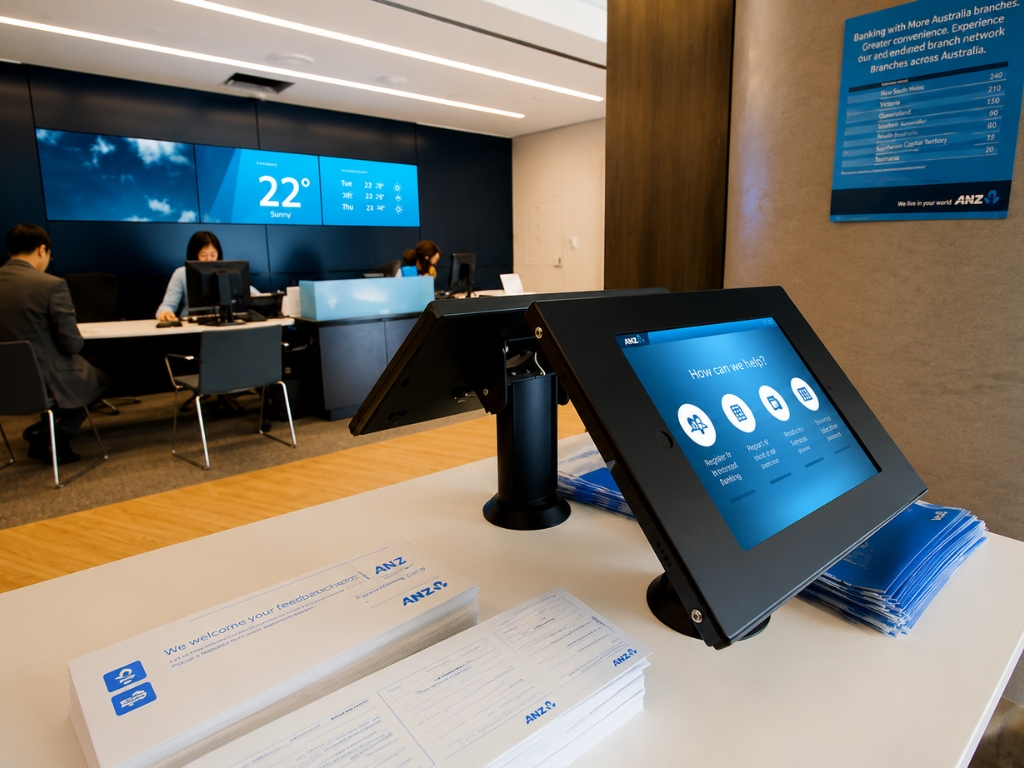
bank micro hubs
It’s easy to feel unsure when banking starts changing faster than your habits. One day your local branch closes, and the next, your bank is inviting you to discuss mortgages over coffee in what looks more like a lounge than a financial office. Strange? At first, maybe. But there’s a bigger shift happening here.
Across the US and UK, banks are quietly redesigning how people interact with money. The old branch model is fading, and bank micro hubs are stepping in as a smarter middle ground between fully digital banking and traditional face-to-face service. The result is something more personal, less intimidating, and surprisingly practical.
Why Traditional Branches Are Losing Relevance
Walk into an old-school bank branch and you’ll probably notice the same thing: empty waiting chairs, long counters, and far fewer staff than before. That’s because most everyday banking now happens on a smartphone.
Deposits, transfers, bill payments, and account management are already part of the digital routine. According to emerging 2026 Retail Banking Trends, customers want convenience for simple tasks but still value human interaction for major financial moments.
And honestly, that makes sense. Opening a savings account online feels easy. Discussing a home loan, retirement planning, or debt restructuring through an app? That feels far more complicated. This gap is exactly why bank micro hubs are gaining momentum.
What Exactly Are Bank Micro Hubs?
Think of them as smaller, smarter versions of traditional branches.
Instead of giant buildings packed with teller windows, these modern spaces resemble boutique cafés or co-working lounges. You may walk in for coffee and Wi-Fi, but you’ll also find financial advisors available for deeper conversations. This approach reflects growing Hybrid Banking Models, where banks combine digital convenience with physical expertise.
A typical setup usually includes:
- Self-service kiosks for quick transactions
- AI-supported digital screens for account assistance
- Small private lounges for mortgage, savings, or investment discussions
- Coffee-shop-style seating to make conversations feel less formal
Rather than waiting in lines, customers move through a smoother Omnichannel Banking Experience, where mobile apps and in-person support work together.
The Real Problem Banks Are Trying to Solve
Here’s the thing: digital-only banking created a trust problem.
Many consumers love fintech apps for speed, but hesitation appears when real money decisions enter the picture. A chatbot may explain credit card rewards, but it rarely provides reassurance when discussing inheritance planning or business financing. Banks recognized something important. Trust still matters.
That’s why institutions in both the US and UK are investing heavily in Community Financial Hubs instead of abandoning physical banking entirely. They understand that customers still want someone sitting across the table when financial stakes feel high. In many ways, this shift is less about technology and more about confidence.
Why Coffee-Shop Banking Actually Makes Sense
At first glance, combining finance with espresso sounds gimmicky. But there’s logic behind it. Traditional branches often felt cold and transactional. People rushed in, completed a task, and rushed out. The new bank micro hubs are designed around comfort and conversation.
Instead of standing at a counter, customers sit down in relaxed environments. A financial discussion feels less stressful when it happens in a welcoming setting rather than under fluorescent lighting.
Some banks are even partnering with local coffee businesses to create spaces that feel connected to the neighborhood rather than disconnected corporate offices. This is where Retail Branch Modernization becomes more than a redesign. It becomes a behavioral shift.
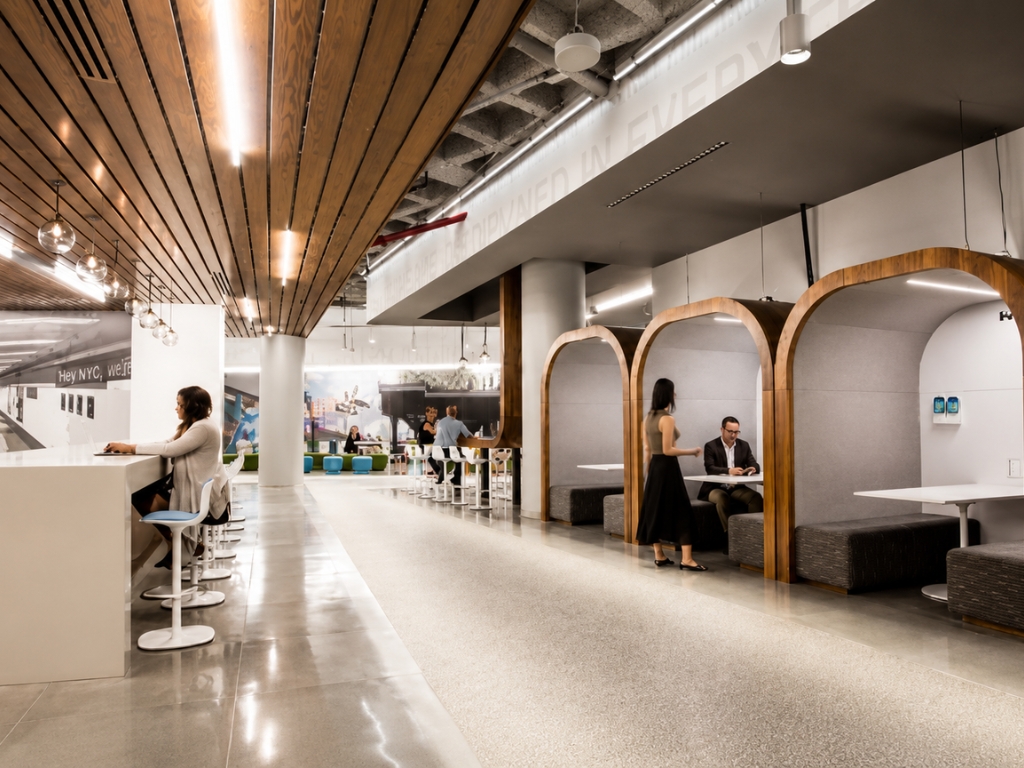
hybrid banking models
Why Banks Love the Model Too
For banks, the economics are compelling. Running massive branch locations costs millions in rent, staffing, and maintenance. Downsized micro-hubs reduce those expenses dramatically while still preserving customer relationships.
Here’s the comparison:
| Traditional Branch | Bank Micro Hubs |
| Large buildings | Smaller footprint |
| Teller-heavy model | Digital-first support |
| Long queues | Faster interactions |
| Transaction-focused | Advice-focused |
The biggest win? Efficiency.
Banks allow apps to handle routine tasks while staff focus on high-value conversations, such as loans, investments, and financial planning. That balance defines modern Hybrid Banking Models.
Smart Moves Before Choosing a New Banking Setup
If your bank introduces a micro-hub near you, approach it thoughtfully:
- Test the digital tools before relying entirely on them
- Use physical advisors for big money decisions, not basic transactions
- Compare how well your bank connects online and offline services
- Ask whether financial planning sessions are complimentary
A smooth Omnichannel Banking Experience should feel seamless, not fragmented.
The Future Looks More Human Than Expected
The surprising part of this trend is that banking’s future isn’t becoming less personal. It’s becoming more intentional. The rise of bank micro hubs shows that banks finally understand something customers have quietly wanted for years: speed for everyday tasks and real human guidance when life gets financially complicated.
A banking app can move your money instantly. But when you’re deciding how to protect your future, most people still want a conversation. Maybe even with a good cup of coffee nearby. Instead of replacing physical branches entirely, banks appear to be reinventing them. And judging by the pace of 2026 Retail Banking Trends, this experiment is only getting started.