
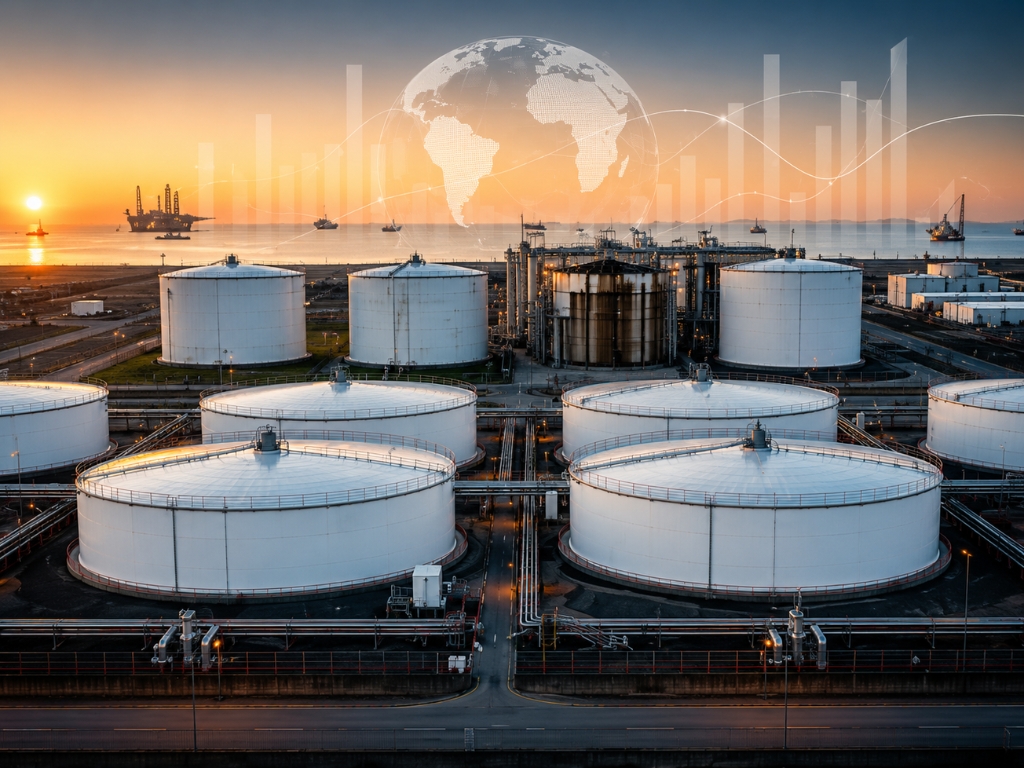
Crude oil volatility
Crude oil volatility is back at the center of portfolio planning. Brent crude recently moved through a wide range, swinging from around $72 last month to above $100 before settling nearer the high-$80s, as Middle East supply concerns and hopes around tanker flows shifted quickly.
That kind of move does not stay inside the energy market. It affects inflation, airline margins, transport stocks, bond yields, consumer spending, and central bank expectations. For investors, the message is clear: energy prices are not just a commodity story. They are a portfolio risk signal.
Why Crude Oil Volatility Matters Now
Crude oil volatility matters because oil sits inside almost everything people buy and businesses deliver. It powers transport, affects freight charges, influences manufacturing costs, and changes fuel bills. When oil jumps suddenly, companies with heavy transport or energy exposure feel pressure first. Airlines, shipping firms, logistics companies, chemicals, retail distribution, and consumer goods companies may face higher input costs before they can raise prices.
That squeezes margins. A margin is the money justify after a company pays its costs. If fuel and freight costs rise faster than revenue, profits can shrink even when sales look stable. The biggest mistake investors make during oil shocks is treating energy as a single-sector issue. Oil moves through the whole economy.
The August Energy Seesaw Explained
The latest Brent crude market swings show how fast sentiment can change. Oil prices held near $87 to $88 a barrel after a recent jump, while investors watched the Strait of Hormuz and the possibility of a US-Iran deal affecting crude flows.
This is what makes geopolitical oil market shocks difficult. They do not follow clean financial calendars. A headline can move prices before company earnings reports, inflation data, or central bank meetings catch up. For a portfolio, that creates two problems. One is price risk. The other is timing risk. A short spike can hurt transport and consumer stocks. A longer spike can feed inflation expectations and change interest-rate outlooks.
Crude Oil Volatility and Inflation Risk
Crude oil volatility can push inflation higher both directly and indirectly. Directly, fuel prices affect petrol, diesel, heating oil, and energy bills. Indirectly, oil affects the cost of moving goods, operating fleets, producing materials, and shipping products. Inflation means prices rise across the economy. When energy prices climb, consumers may spend more on fuel and less on discretionary items like travel, dining, electronics, and fashion.
That affects company revenues.
The Bank of England’s July 2026 Financial Stability Report said the conflict in the Middle East created a substantial negative supply shock and that higher energy prices can affect global inflation depending on supply and demand conditions. This is why energy price impacts and inflation risk matter to investors holding both equities and bonds.
Central Banks May Stay Cautious
Central banks watch oil prices because energy can influence headline inflation. If oil keeps swinging higher, policymakers may become more cautious about cutting interest rates.
That affects bonds. Bond yields often rise when investors expect inflation to stay higher or rate cuts to be delayed. A yield is the return an investor receives from holding a bond. When yields rise, existing bond prices often fall.
Reuters reported that fading hopes around a Middle East resolution pushed US crude higher by about 5%, while inflation worries led investors to consider the chance of another rate hike. So crude oil volatility can hit portfolios in two directions: equity margins and fixed-income pricing.
Which Stocks Feel the Pressure First?
Transport stock market volatility usually rises when crude moves sharply. Airlines, freight carriers, delivery companies, cruise operators, and logistics firms often react quickly because fuel is a major operating expense. Not every company suffers equally.
Some firms hedge fuel costs. Hedging means using financial contracts to reduce the impact of future price swings. Others pass costs to customers through surcharges. Stronger companies with pricing power usually handle oil shocks better. Pricing power means a company can raise prices without losing too many customers. That becomes valuable when energy costs rise.
Energy Producers Are Not Always Simple Winners
Higher crude prices can support oil producers, exploration firms, and some energy commodity trading strategies. But investors should avoid assuming every energy stock benefits equally. Production costs, debt levels, political risk, refining margins, and currency exposure all matter.
Upstream producers may benefit when crude rises. Refiners can behave differently because their profits depend on the spread between crude input costs and refined product prices. Renewable energy stocks may also move, but often for different reasons, including policy, financing costs, and long-term demand. The portfolio lesson is simple. Energy exposure needs structure, not guesswork.
 Brent crude market swings
Smart Moves for Investors
Crude oil volatility is easier to manage when the portfolio has clear rules.
- Review exposure to airlines, logistics, retail, and transport-heavy companies.
- Balance energy producers with sectors hurt by high fuel costs.
- Check whether portfolio companies have pricing power.
- Avoid overreacting to one oil headline or one trading day.
- Keep bond duration in line with inflation and rate risk.
- Consider broad commodity or real-asset exposure only if it fits risk tolerance.
- Hold enough cash so market swings do not force rushed selling.
These steps can help reduce emotional decision-making.
How to Think About Portfolio Positioning
A good response to crude oil volatility is not to abandon long-term investing. It is to stress-test assumptions. If oil stays elevated, which companies in the portfolio protect margins? Which ones rely on cheap freight? Which holdings are vulnerable if central banks delay rate cuts? Which bonds may react poorly to inflation surprises?
This is where asset allocation matters. Asset allocation simply means how money is spread across stocks, bonds, cash, commodities, and other investments. A balanced portfolio should not depend on one perfect oil-price outcome. The goal is not to predict every barrel. The goal is to avoid being overexposed to one version of the future.
Conclusion
Crude oil volatility in August is a reminder that energy markets can quickly reshape portfolio risks. Oil swings affect transport costs, inflation data, bond yields, central bank decisions, and corporate margins. Investors should look beyond the daily oil price and assess how energy exposure moves through their holdings. Companies with pricing power, strong balance sheets, disciplined cost controls, and less fuel sensitivity are better placed to handle the shock. Meanwhile, portfolios should stay diversified, avoid panic rotation, and keep enough flexibility to respond if the energy seesaw continues. Oil may settle, spike, or fall again, but preparation matters more than prediction.