

Global Index Trackers
Trying to pick winning stocks sounds exciting. For years, investors chased the idea of finding the next breakout company before everyone else did. Maybe it was tech. Maybe clean energy. Now it feels like artificial intelligence dominates every conversation. But here’s the uncomfortable truth. Most people are not beating the market consistently. And in 2026, more investors are starting to accept that reality.
That shift explains why global index trackers are becoming one of the fastest-growing investing approaches across both the US and UK. Instead of trying to predict individual winners, investors are quietly buying broad slices of the market and letting long-term growth do the work. It sounds boring. Honestly, that is part of why it works.
Why stock picking feels harder now
Markets have changed.
Economic uncertainty, geopolitical risks, stubborn inflation, and uneven company performance have made investing feel more unpredictable. A stock can soar for months and suddenly lose momentum after one disappointing earnings report.
That kind of volatility wears people down.
Especially everyday investors managing careers, bills, and family responsibilities. Many people assumed investing meant constantly researching charts or chasing headlines. But the growing interest in global index trackers suggests investors are getting tired of that cycle.
Instead of asking, “Which company wins?” they are asking something smarter:
“How do I avoid making expensive mistakes?”
That is a better question.
What exactly are global index trackers?
Let’s simplify this.
Global index trackers are investment funds designed to follow broad markets automatically. Rather than buying one or two companies, these funds spread your money across hundreds or even thousands of businesses worldwide.
Think of it this way.
Instead of betting on one horse, you own part of the entire racetrack. That built-in portfolio diversification lowers risk because your investments do not depend on one company succeeding. If one business struggles, stronger performers often help balance things out. That stability matters more than people realize.
Why passive investing keeps winning
The conversation around passive vs active investing has become harder to ignore. Active investing depends on selecting companies or funds expected to outperform. Passive investing follows a market index instead.
Simple idea.
Big difference.
Many investors moving toward passive investing strategies 2026 are doing it for one reason: results. Historically, a large percentage of actively managed funds struggle to outperform their benchmarks over long periods, especially after fees.
Fees matter more than people expect.
Paying 1% annually might sound small, but over decades, those costs quietly eat into compounding returns. That is where low-cost ETF investing changes the math. Lower expenses mean more money stays invested. And over time, that difference adds up.
The rise of broad market investing
Many investors still want exposure to the American economy. Fair enough.
After all, US stock market trends continue to influence global performance. That explains why S&P 500 tracking funds remain popular. But people increasingly want broader protection too.
Instead of putting everything into one country or sector, investors are combining global funds with US exposure to spread opportunity more evenly. That approach feels especially practical when markets become uncertain. Because honestly, nobody knows exactly which country or industry dominates next decade.
Smart moves for beginner investors
If shifting toward global index trackers sounds appealing, keep things simple:
- Focus on broad market funds instead of chasing trends
- Compare expense ratios before investing
- Consider combining global funds with S&P 500 tracking funds
- Automate monthly investing contributions
- Avoid emotional buying during market headlines
The biggest investing mistakes usually happen when emotions take over. Consistency tends to win instead.
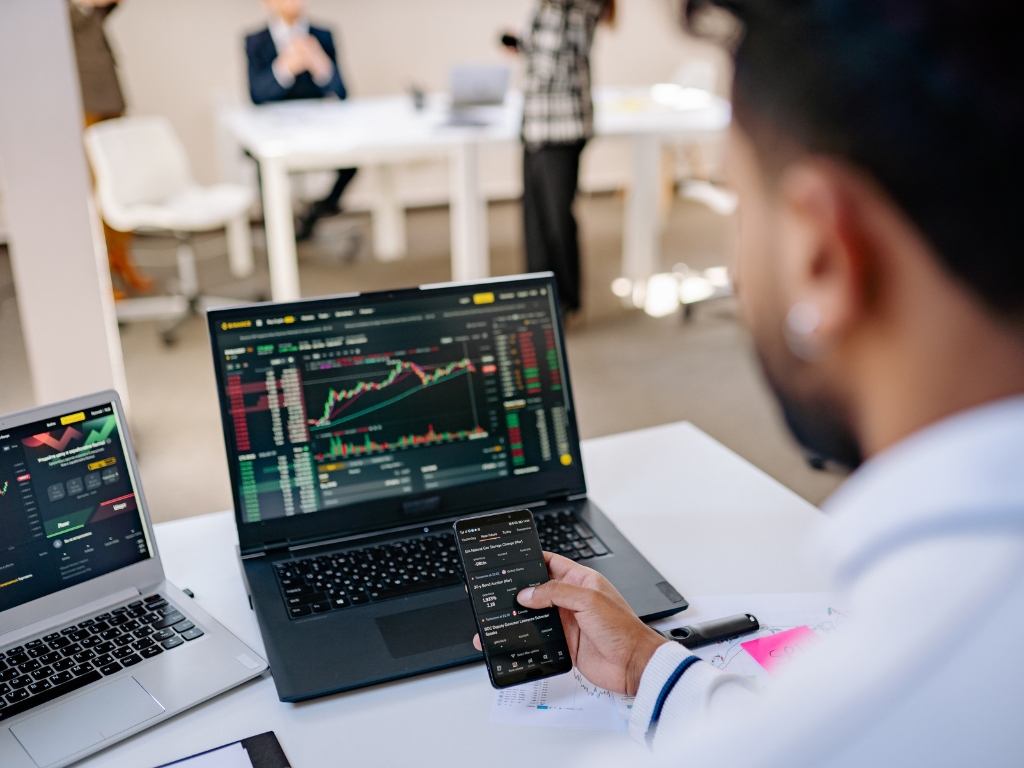
Best index funds to buy
Why “boring” investing often works better
Here’s the thing.
Excitement rarely creates strong long-term returns. Patience usually does. Many people lose money because they jump between trends, panic during downturns, or overestimate their ability to predict short-term market moves.
Broad global index trackers remove much of that pressure. They quietly keep working in the background while markets rise, fall, and eventually recover. That kind of simplicity feels underrated.
But it matters.
Some investors also underestimate the emotional benefit of investing less reactively. Checking portfolios less often can actually reduce poor financial decisions over time.
Conclusion
The shift toward global index trackers is not about giving up on investing skill. It is about recognizing what actually works for most people over the long run. Markets will always fluctuate, headlines will always feel dramatic, and trendy stocks will continue grabbing attention. But broad diversification, reduced fees and consistent investing habits remain surprisingly robust. Sometimes, it’s smarter to own a little bit of everything than to chase the next big thing all the time—for investors who want to cut the stress but still get in on some growth.