
food inflation risks
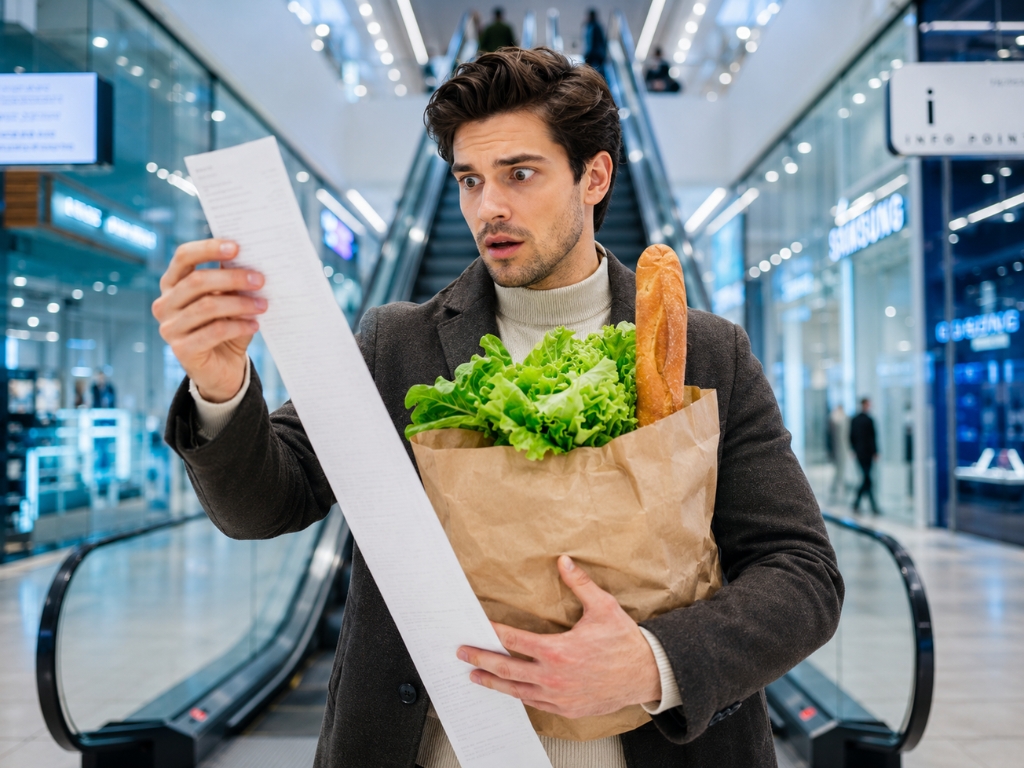
Food inflation risks are rising again as El Niño threatens crop output, commodity prices, and household grocery budgets. That may feel frustrating.
Many families are already tired of watching food bills climb, then soften slightly, then climb again. A few cents here, a few dollars there, and suddenly the monthly grocery budget no longer fits the old plan.
This time, the pressure is not only about oil, shipping, or labor costs. Weather is becoming the bigger story. El Niño can shift rainfall, heat patterns, drought risk, and harvest quality across major agricultural regions. When crops struggle, food prices usually do not react immediately at the supermarket. They move through the system first. Then shoppers feel it.
Why El Niño matters for food prices
El Niño is a climate pattern linked to warmer-than-usual waters in the central and eastern Pacific Ocean. That may sound far away from a grocery aisle.
It is not.
This pattern can affect rainfall and temperature around the world. Some regions get drought. Others get heavy rain at the wrong time. Both can hurt crops, livestock, and supply chains.
For agriculture, timing matters. Too little rain during planting can reduce yields. Too much rain during harvest can damage quality. Extreme heat can reduce grain output, stress animals, and push up feed costs. That is how El Nino agriculture food inflation begins. It starts in fields. It ends on receipts.
Food inflation risks and crop shocks
Food inflation risks become more serious when global crop yield supply shocks hit several regions at once. A single bad harvest can sometimes be absorbed. Countries use reserves, shift imports, or source from other producers. But when multiple food-producing regions face weather stress together, markets get tighter.
That is when agricultural commodity market spikes start to matter. Commodities are raw goods such as wheat, corn, soybeans, sugar, coffee, cocoa, and vegetable oils. When traders expect supply shortages, futures prices can move before the actual grocery price changes.
Futures are contracts tied to future delivery.
They can act like an early warning signal.
Not perfect. But useful.
Why grocery prices lag behind markets
People often ask why food companies do not lower prices quickly when commodity prices fall. The answer is that grocery prices include more than the crop. Food prices also include processing, packaging, transport, storage, wages, rent, energy, and retailer margins. A cereal box is not just grain. A chocolate bar is not just cocoa. A cup of coffee is not just beans.
So when raw costs rise, companies may delay passing it on.
But if those costs stay high, retail prices eventually adjust. That is why grocery price inflation tracking matters. It shows whether wholesale pressure is starting to reach consumers.
Current global food data may look relatively calm at the headline level, but underlying categories can still move differently. Meat, vegetable oils, sugar, coffee, and cocoa may each respond to climate stress in their own way. The aisle does not move as one unit.
Central banks cannot grow crops
The tricky part for policymakers is that weather-driven food inflation does not respond neatly to interest rates. A central bank can raise rates to cool borrowing and reduce demand. That may slow housing, credit, and some consumer spending.
But it cannot produce wheat.
It cannot restart failed rainfall.
It cannot reverse heat damage to crops.
That creates central bank disinflation narrative hurdles. Disinflation means inflation is still rising, but at a slower pace. If food prices jump while other prices cool, the overall inflation story becomes harder to manage.
For households, the result is simple. Food takes a bigger share of income. That creates household budget allocation shocks, especially for lower- and middle-income families.
What households should watch
Food price pressure does not mean every grocery item will surge at once.
Watch staples first. Bread, flour, rice, edible oils, dairy, eggs, meat, coffee, cocoa-based products, and packaged foods can reflect climate and commodity stress. Fresh produce may also become more volatile if heat or rain disrupts local harvests.
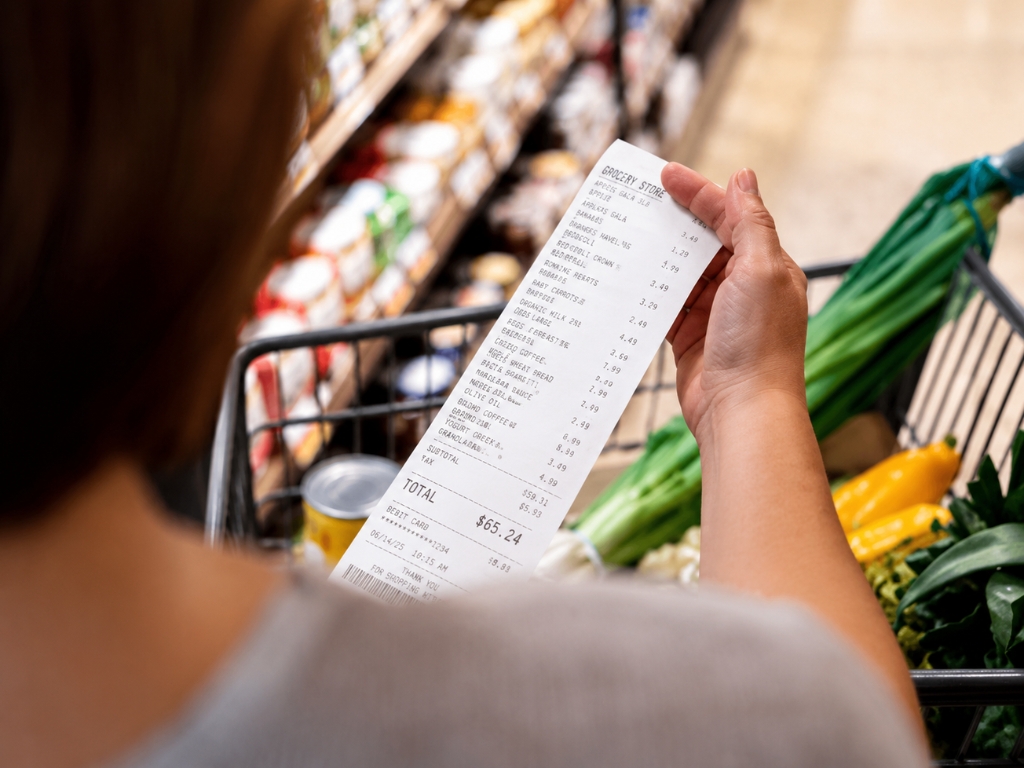
Consumer food retail price trends often show up first in smaller package sizes, fewer discounts, or higher prices on pantry staples. That is still inflation. Even if the shelf label looks only slightly higher.
El Nino agriculture food inflation
Smart Moves for Grocery Budgets
Use practical habits before prices move sharply:
- Track your top 10 recurring grocery items.
- Buy non-perishable staples on discount.
- Shift meals toward seasonal local produce.
- Use frozen vegetables when fresh prices jump.
- Compare store brands against premium labels.
- Plan meals around lower-cost proteins.
- Reduce food waste before cutting nutrition.
- Keep a small pantry buffer, not panic-stock.
- Watch coffee, cocoa, oils, grains, and sugar.
- Review grocery spending every two weeks.
This is not about fear. It is about control.
Investor angle without overdoing it
Some investors look at soft commodity portfolio hedging when food prices rise. Soft commodities include items like coffee, cocoa, sugar, cotton, and some agricultural goods. These markets can move sharply during climate shocks.
But they are volatile.
For regular investors, this is not an invitation to speculate blindly. Commodity funds, agriculture-linked investments, and food-sector equities can carry real risk. Price swings can be sudden, and timing is difficult. A better first step is personal cash-flow planning. Protect the grocery budget before chasing a hedge.
Conclusion
Food inflation risks are becoming harder to ignore as El Niño raises the chance of crop stress in key agricultural regions. The headline food index may not spike immediately, but weather shocks can move through commodity markets, food producers, retailers, and, finally, household budgets. Families should watch staple items, reduce waste, buy strategically, and keep grocery planning flexible. Investors should be cautious, because commodity markets can move quickly and punish poor timing. The main lesson is practical: food prices are no longer only a supermarket issue. They are part of climate risk, inflation planning, and everyday financial resilience.